-
J.A.C. is empowering the future Instrument Fitters in the Oil & Gas industry is time to level up.
Jump start your career in the gas & oil industry
Advance Instrument Fitter Course
CLASSES: Saturday's 11:00PM-5:00PM
No Experience Needed
Learning Formula
Learn formulas for offsets and for rack tubbing.

Instrument Stand
Learn how to properly mount different type of of instrument stand.
Transmitter
Learn how to properly install instruments and the theory behind each instrument.
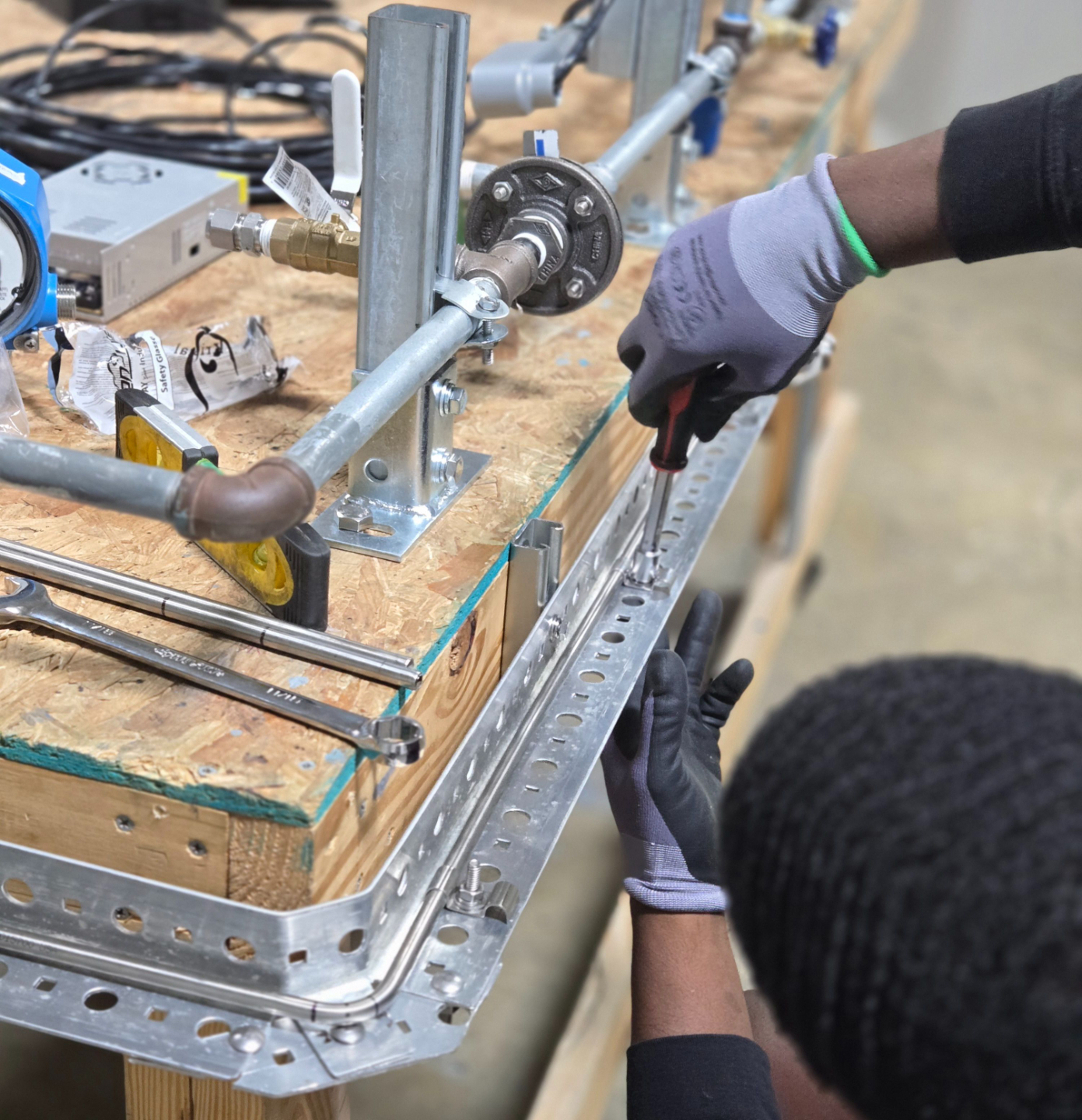
Tube bending
Learn how to properly layout, bend, and install tubing.
Reading Drawings
Learn how to read location drawings, detail drawings, and P&IDs .
Who are we?
J.A.C. is an accredited industrial training and assessment center specializing in Instrumentation and Electrical (I&E) education. We provide high‑quality training for beginners entering the trade as well as experienced craftsmen looking to advance into journeyman roles.
Our programs include:
- Entry‑Level Instrument & Electrical Training
Designed for individuals new to the industry who want a strong, hands‑on foundation. - Advanced Training for Working Craftsmen
Ideal for those ready to elevate their skills and prepare for journeyman‑level responsibilities. - Hands‑On Performance Evaluations
Practical assessments that verify real‑world competency in I&E tasks. - Journeyman‑Level Web‑Based Assessments
Online evaluations for craftsmen seeking official certification in the Instrumentation & Electrical trade.
At J.A.C., we’re committed to helping every student build confidence, gain industry‑recognized credentials, and take the next step in their career.
What is instrumentation?
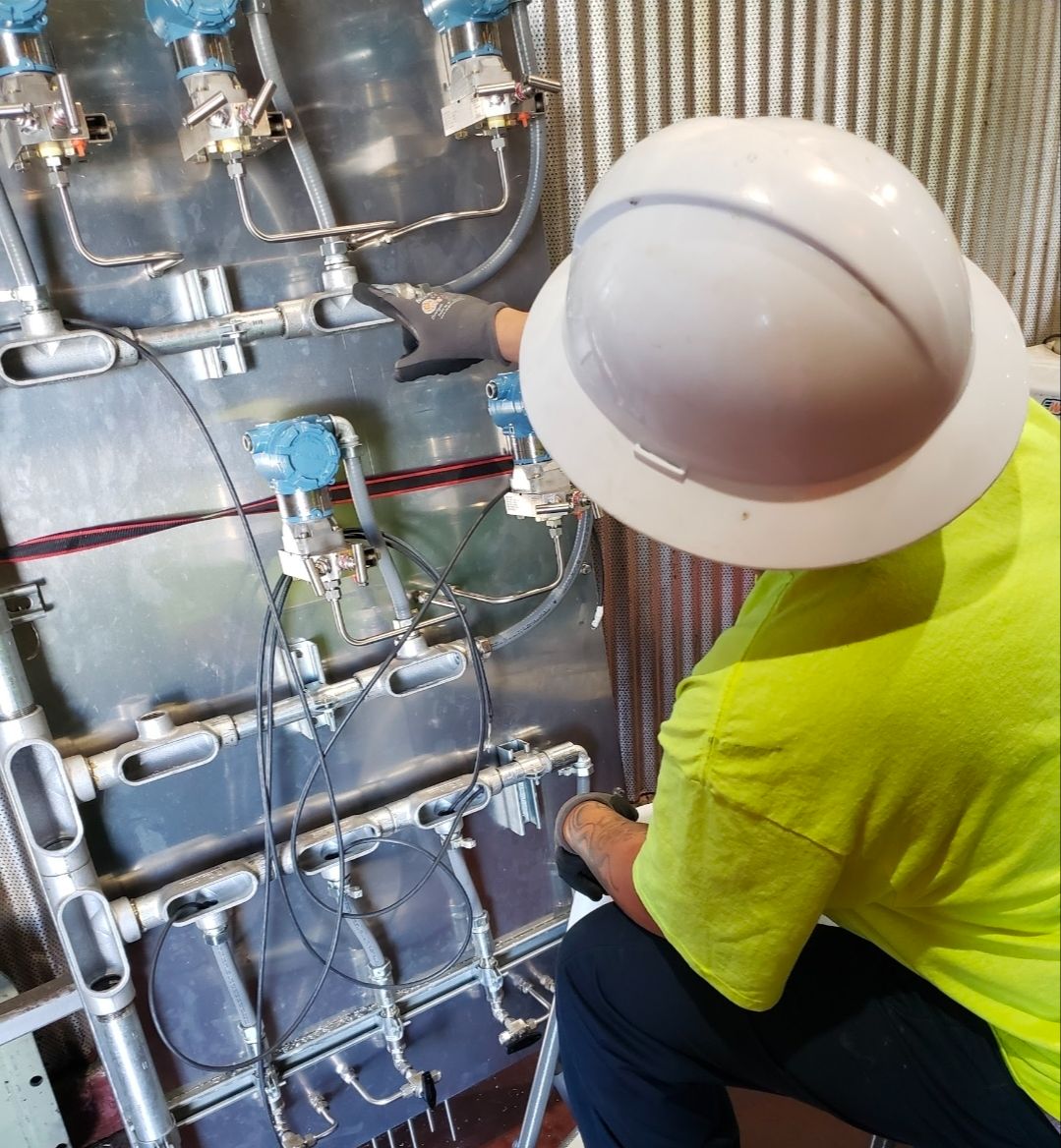
Instrumentation is the science and practice of measuring, monitoring, and controlling physical processes. It involves the instruments—sensors, transmitters, controllers, valves—that let industries know what’s happening in their systems and allow them to keep everything running safely and efficiently.
Instrumentation covers devices that measure things like:
- Pressure
- Flow
- Temperature
- Level
- Analytical properties (pH, conductivity, etc.)
Sources:
These instruments feed data to control systems so operators can make decisions or automate processes.
Where instrumentation is used
Instrumentation is everywhere:
- Refineries
- Chemical plants
- Power plants
- Manufacturing
- Water treatment
What are the roles and responsibility an instrument fitter?
Fitters should be familiar with all necessary PPE, identify hazards, safety procedures and documents (JSA, Permits, LOTO). Fitters should be able to identify the correct tools and material for each task. Fitters should know how to read prints such as P&IDs, Detail Drawings, and Location Drawings. A Fitter should be able to plan routes for tubing/pipe as well as bend complex tubing runs and racks. A Fitter should also be able to perform/complete task with minimum to no supervision.
How long is the course? What is the cost of the course?
Will we received a certification? Is this Accredited Program?
What days of the week are the courses?
What are the requirements?
Contact Information
Jimmy Solis Director
Office: 501-451-9358
Cell: 832-784-6323
Location: 5309 McClanahan Dr. Suite F-4, North Little Rock, AR